Building a deck starts long before materials arrive or a contractor gives you a quote. The most successful projects begin with a smart plan.
Many homeowners rush into construction only to face layout issues, permit delays, budget overruns, or design choices they regret later. A little planning upfront can save weeks of stress and thousands of dollars in avoidable mistakes.
If you’re thinking about adding a new deck, this guide will walk you through how to plan the project the right way—from goals and budget to design, permits, and next steps.
Why Planning Your Deck Project Matters
A deck is more than an outdoor platform. It changes how you use your home, entertain guests, and enjoy your backyard. Good planning helps you:
- Maximize usable space
- Avoid expensive changes mid-project
- Reduce permit delays
- Get more accurate contractor quotes
- Choose the right materials
- Build with confidence
The clearer your plan, the smoother the project.
Step 1: Define How You Want to Use the Deck
Before choosing size or materials, think about how the deck will function in daily life. Ask yourself:
- Will you host family gatherings?
- Need space for grilling?
- Want room for dining furniture?
- Need a quiet place to relax?
- Want stairs to the yard?
- Need shade or a covered section?
Your answers should shape the layout.
Example
A couple may only need a cozy 12′ x 14′ seating area. A family that entertains often may need zones for dining, cooking, and open movement. Start with purpose, not just dimensions.
Step 2: Evaluate Your Backyard Space
Every yard has opportunities and limitations. Look at:
- Door locations
- Yard slope
- Existing patio or landscaping
- Trees and shade
- Sun exposure
- Privacy from neighbors
- Pool or play areas
- Traffic flow to the yard
A deck that looks great on paper may feel awkward if it ignores the property layout.
Pro Tip
Walk your backyard and mark possible deck boundaries with stakes, rope, or chalk. This helps you visualize size before committing.
Step 3: Set a Realistic Budget
Your budget affects size, materials, features, and timeline. Common cost drivers include:
- Deck size
- Height above ground
- Stairs
- Railings
- Built-in seating
- Lighting
- Roofing or screened areas
- Material selection
- Permit requirements
- Contractor labor
Set a target range, then prioritize must-haves versus nice-to-haves.
Smart Approach
Instead of saying, “I want the biggest deck possible,” say, “I want the best deck for my budget.”
Step 4: Choose the Right Deck Layout
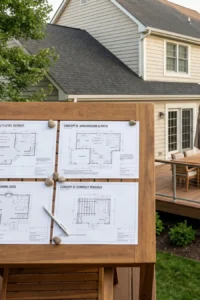 Layout matters more than many homeowners realize. A better layout can make a smaller deck feel larger and more functional.
Popular Layout Options
Single-Level Deck
Best for simple access and clean layouts.
Multi-Level Deck
Helpful for sloped yards or creating separate activity zones.
Wraparound Deck
Great for multiple access points and wider outdoor use.
Raised Deck
Common when back doors sit above grade.
Covered or Screened Deck
Ideal for shade, comfort, and weather protection.
Need help choosing the right layout? Explore our Deck Design Service.
Step 5: Think About Access and Traffic Flow
A deck should feel natural and comfortable to use. Plan for:
- Easy access from the house
- Comfortable path to stairs
- Room around furniture
- Safe grill placement
- Clear walking routes
- Good connection to yard spaces
A crowded deck can feel frustrating, even if it technically fits everything.
Example
A table for six may fit on paper, but if nobody can move around it comfortably, the design needs improvement.
Step 6: Understand Permits and Approvals
Many deck projects require permits depending on location, size, structure, and features.
This is where many homeowners lose time. They finalize a build plan only to learn they need revisions or permit drawings.
Starting with clear plans can help reduce delays and confusion.
Learn more about our Deck Permit Plans.
Step 7: Select Materials That Fit Your Priorities
There is no one-size-fits-all material choice. The best option depends on budget, maintenance expectations, and style preferences.
Common Material Options
- Pressure-treated lumber
- Cedar
- Composite decking
- PVC decking
- Metal or cable railings
- Wood railings
Ask yourself:
- Do I want low maintenance?
- Do I prefer a natural wood look?
- What fits my long-term budget?
- How much upkeep am I willing to do?
Choose materials based on lifestyle, not trends alone.
Step 8: Create Clear Plans Before Hiring a Contractor
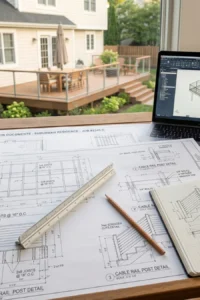 This is one of the smartest moves a homeowner can make. Clear deck plans help you:
- Compare contractor bids fairly
- Avoid misunderstandings
- Reduce change orders
- Speed up permitting
- Build exactly what you want
Without plans, each contractor may price a different version of your project. With plans, everyone is quoting the same scope.
Start your project here: Design Your Deck
Step 9: Understand the Build Process and Timeline
Knowing what comes next helps set realistic expectations.
Typical Project Stages
- Design and planning
- Permit submission
- Contractor selection
- Scheduling
- Site preparation
- Construction
- Inspections (if required)
- Final walkthrough
Weather, material availability, and permit review times can all affect schedules. The more prepared you are upfront, the fewer surprises later.
See how it works: How It Works
Common Deck Planning Mistakes to Avoid
Many problems start before construction begins. Avoid these common mistakes:
- Building too small
- Ignoring furniture space
- Forgetting stairs early in design
- Not checking permit needs
- Choosing layout before defining goals
- Hiring without clear plans
- Underestimating budget
- Prioritizing looks over function
Avoiding even one major mistake can save significant money.
Real Homeowner Example
A homeowner wanted a 20′ x 16′ deck for entertaining. After reviewing the layout, they realized half the space would go unused while stairs blocked furniture placement. By redesigning the project, they improved traffic flow, repositioned the stairs, and reduced unnecessary square footage.
Result:
- Better function
- Lower cost
- Smarter use of space
Smart planning often improves both design and budget.
FAQ: How to Plan a Deck Project
1. What should I do first when planning a deck?
Start by defining how you want to use the space. Function should guide size, layout, and features.
2. How do I know what size deck I need?
Think about furniture, movement space, access points, and how many people will use it regularly.
3. Should I get plans before hiring a contractor?
Yes. Clear plans help you compare bids accurately and reduce misunderstandings.
4. Do I need permits before building a deck?
Many projects do, depending on your location and design. Check local requirements early.
5. How can I avoid costly deck mistakes?
Plan your layout carefully, set a realistic budget, verify permit needs, and use clear drawings before construction begins.
If you want a smoother project, better results, and fewer surprises, planning your deck the right way is the first step. The best deck projects are not rushed—they’re designed around how you live, what your property allows, and what your budget supports. Take the time to plan now, and you’ll enjoy the results for years.

1 comment
[…] Proper site planning is one of the most important steps in the process. Learn more in our guide on How to Plan a Deck Project. […]