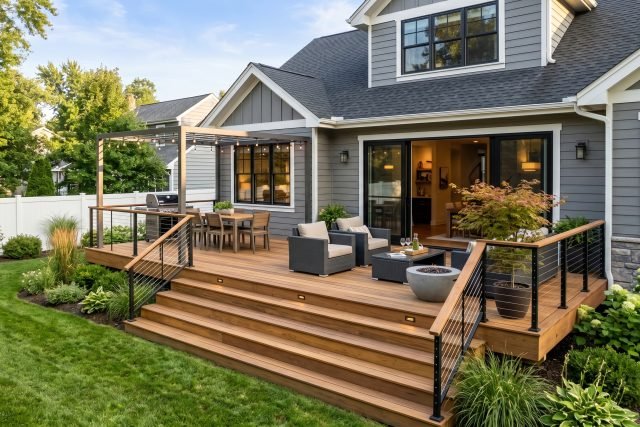
Building a new deck is an exciting project, but many homeowners overlook one of the most important first steps: checking permit requirements.
A common question we hear is: Do I need a permit to build a deck?. In many cases, the answer is yes. Permit rules often depend on your location, the size of the deck, its height above ground, structural details, and whether it attaches to your home. Ignoring this step can lead to delays, failed inspections, fines, expensive changes, or issues when selling your property later.
In this guide, you’ll learn when permits are commonly required, what factors affect approval, and how to move forward with confidence.
Why Deck Permits Matter
A permit is more than paperwork. It helps confirm that your project meets local safety and building standards. That matters because a deck must safely support:
- People
- Outdoor furniture
- Grills or kitchens
- Railings and stairs
- Weather and snow loads in some areas
A properly reviewed plan can help prevent:
- Structural failures
- Unsafe stairs or guardrails
- Incorrect footings
- Improper ledger attachment
- Costly rebuilds after failed inspections
For many homeowners, permits are the difference between a smooth project and an expensive surprise.
Do You Need a Permit to Build a Deck?
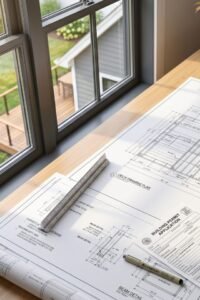 In many U.S. jurisdictions, yes—permits are commonly required, especially for elevated, attached, or larger decks. However, every city, county, and state can have different requirements.
Some smaller, low-profile decks may have fewer requirements, while others need full construction drawings and permit-ready plans. The most reliable answer always comes from your local building department. But the factors below usually determine whether a permit is needed.
Common Factors That Determine Permit Requirements
Deck Size
Larger decks are more likely to require permits because they involve greater loads, spans, and safety considerations.
Examples:
- Small landing platform near a door may be treated differently
- Full backyard entertainment deck often requires review
- Multi-level deck usually needs more documentation
Height Above Ground
An elevated deck often triggers additional requirements compared to a low platform.
Higher decks may require:
- Guardrails
- Stairs
- Engineered footings
- Additional framing details
Attached vs. Freestanding
If the deck connects to your home, the attachment point becomes important. Improper ledger board installation is one of the most common structural issues in deck construction.
Attached decks may require more detailed connection and flashing information.
Roof, Porch, or Screened Enclosure
Adding a roof, screened porch, or covered structure usually increases complexity and may require additional drawings. If you’re planning a covered outdoor space, professional plans become even more valuable.
Location on Your Property
Your deck placement may also be reviewed for:
- Property setbacks
- Easements
- Utility access
- Drainage concerns
- Distance from lot lines
Even a great design can be rejected if it’s placed incorrectly.
When a Permit Is Commonly Required
While rules vary, permits are commonly required for:
- Attached decks
- Elevated decks
- Large backyard decks
- Multi-level decks
- Decks with stairs
- Decks with roofs or screen rooms
- Major structural replacements or rebuilds
If your project changes framing, support posts, footings, or layout, it’s smart to assume a permit may be required until confirmed otherwise.
When Homeowners Think They Don’t Need One (But Often Do)
Many permit issues begin with assumptions like these:
“It’s in my backyard, so it doesn’t matter.”
Visibility does not remove code requirements.
“I’m replacing an old deck.”
If you’re changing structure, size, framing, or layout, permits may still apply.
“My contractor will handle it.”
Some contractors do. Some expect the homeowner to do it. Always clarify responsibilities before work begins.
“It’s just a small project.”
Even smaller projects can trigger structural, railing, or setback rules.
What Happens If You Build Without a Permit?
Skipping permits can create bigger costs than getting one in the first place. Potential problems include:
- Stop-work orders
- Fines
- Required demolition or rebuild
- Delayed contractor schedules
- Inspection issues
- Insurance complications
- Buyer concerns during resale
Getting clear plans upfront is often cheaper than fixing problems later.
What You Typically Need for a Deck Permit
 Many jurisdictions request some combination of drawings and project details, such as:
- Site plan
- Deck dimensions
- Framing layout
- Footing locations
- Beam and joist details
- Stair layout
- Railing information
- Connection details
- Material notes
This is why many homeowners start with professional deck permit plans before applying.
👉 Explore our Deck Permit Plans service.
👉 Start your project here: Design Your Deck
Example: Why Good Plans Save Time
Imagine a homeowner wants a 16′ x 20′ deck attached to the back of the house with stairs leading to the yard.
Without Clear Plans:
- Contractor estimates vary
- Permit office requests revisions
- Project start gets delayed
- Costs become less predictable
With Permit-Ready Drawings:
- Scope is clear
- Quotes are more accurate
- Review process is smoother
- Construction starts with fewer surprises
Good planning saves time before the first board is installed.
Should You Design the Deck Before Applying?
Yes. In most cases, designing first is the smartest move. A clear design helps you decide:
- The right size for your yard
- Best stair placement
- Traffic flow
- Seating areas
- Access points
- Budget priorities
Before you build, it helps to have a clear plan.
👉 Learn how our process works: How It Works
👉 Explore our Deck Design Service
How i-Decks Helps Homeowners Build With Confidence
i-Decks helps homeowners across the United States with:
- Custom deck design plans
- Deck permit plans
- Permit-ready drawings
- Screened porch design plans
- Clear contractor-ready layouts
Whether you’re just starting or ready to apply for permits, professional drawings help reduce confusion, delays, and costly mistakes.
👉 Ready to move forward? Visit Design Your Deck
FAQ: Do You Need a Permit to Build a Deck?
1. Is a permit always required for a deck?
Not always. Some smaller or lower-profile projects may have different requirements. Always check with your local building department.
2. Do ground-level decks need permits?
Sometimes. Height alone does not determine every rule. Size, location, and construction details may still matter.
3. Can my contractor apply for the permit?
Yes, in many cases contractors can handle permitting, but responsibilities vary. Confirm this before signing an agreement.
4. What if I already built my deck without a permit?
Contact your local building office as soon as possible. You may need inspections, revisions, or retroactive approval depending on your area.
5. What drawings do I need for a deck permit?
Many jurisdictions request site plans, framing layouts, dimensions, footing details, and structural information.
______________________________________________________________________________________
So, do you need a permit to build a deck?
In many cases, yes—but the real answer depends on your location and your project details.
The smartest approach is to verify requirements early, finalize your design, and submit clear plans before construction starts.
That helps you avoid delays, reduce risk, and build with confidence.