One of the biggest mistakes homeowners make when planning a deck is choosing the wrong size. Too small, and the space feels cramped the moment furniture is added. Too large, and the deck can overwhelm the yard, increase costs unnecessarily, or create awkward unused areas. The right deck size is not just about square footage—it’s about how the space works with your home, backyard, lifestyle, and budget.
This guide explains how to choose the right deck size for your backyard so you can plan smarter before construction begins.
Why Deck Size Matters More Than Most Homeowners Realize
Deck size affects almost every part of the project:
- Budget
- Layout options
- Furniture placement
- Permit requirements
- Traffic flow
- Yard usability
- Construction complexity
A well-sized deck feels natural and functional. A poorly sized deck can create frustration every time you use it.
The goal is not to build the biggest deck possible. The goal is to build the right deck for how you live.
Start With How You Plan to Use the Deck
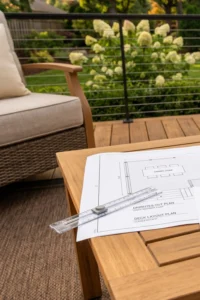 Before thinking about dimensions, think about purpose. Ask yourself:
- Will you host large gatherings?
- Need space for outdoor dining?
- Want a grilling area?
- Need room for kids or pets?
- Prefer a quiet lounge space?
- Want a hot tub or outdoor kitchen?
Your answers should shape the deck size.
Example
A couple who wants morning coffee seating may need far less space than a family planning weekend cookouts and outdoor entertaining. Function should guide size—not trends or guesswork.
Consider the Size of Your Backyard
Your deck should complement your property, not overpower it. A deck that is too large can leave little usable yard space for:
- Landscaping
- Pets
- Play areas
- Pools
- Gardening
- Walking paths
A balanced design usually feels more comfortable visually and practically.
Use stakes, tape, or rope to outline possible deck sizes in your yard. Walking the space helps you understand scale much better than looking at numbers alone.
Think About Furniture First
Furniture takes more space than many homeowners expect. You should plan for:
- Dining tables
- Chairs
- Loungers
- Grills
- Conversation seating
- Planters
- Storage boxes
And just as important—space to move around comfortably.
Example
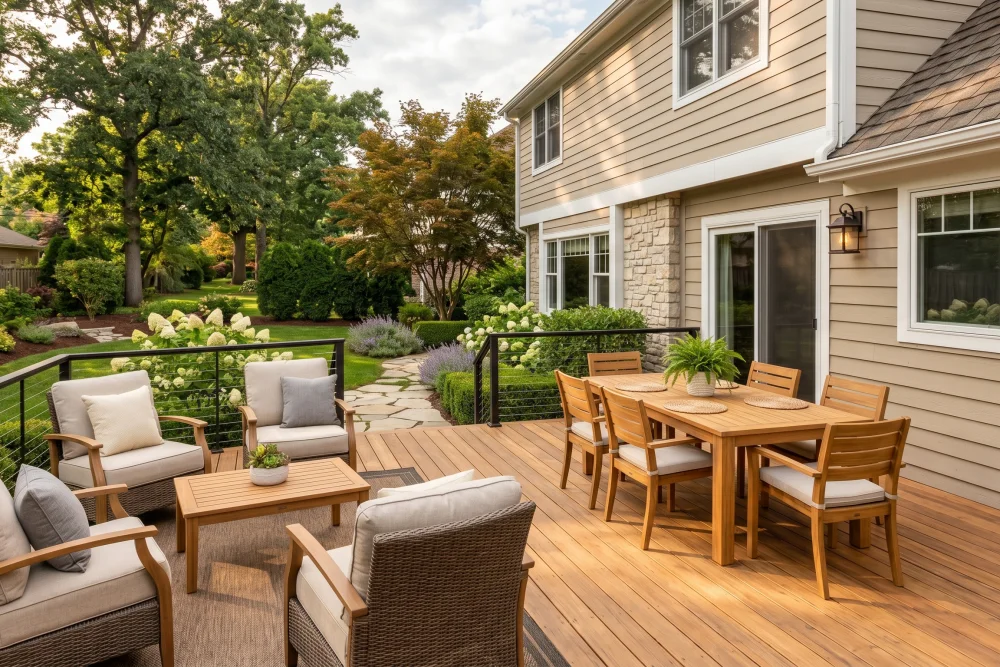
A standard outdoor dining set for six may require significantly more room once chair movement and walking clearance are included. This is why “usable space” matters more than raw dimensions.
Don’t Forget Traffic Flow
A good deck should feel easy to navigate. Poor traffic flow can make even a large deck feel crowded.
Think about:
- Access from the house
- Stair placement
- Grill location
- Walking routes
- Furniture spacing
- Entry and exit points
People should be able to move naturally without squeezing between furniture or blocking pathways.
Common Deck Sizes and What They’re Good For
Small Decks
Often suitable for:
- Compact yards
- Simple seating areas
- Small families
- Budget-conscious projects
Best when focused on one primary function.
Medium Decks
Often ideal for:
- Dining and seating combinations
- Moderate entertaining
- Flexible layouts
- Balanced backyard use
This range works well for many suburban homes.
Large Decks
Common for:
- Large gatherings
- Outdoor kitchens
- Multi-zone layouts
- Pools or expansive backyards
Larger decks require careful planning to avoid wasted space.
Should Your Deck Match the Width of Your House?
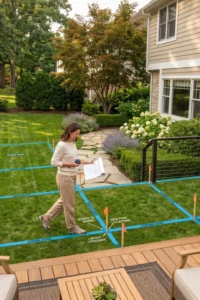 Not necessarily. Some homeowners assume the deck should span the full back of the house, but that is not always the best choice. A better approach is to design around:
- Door locations
- Backyard layout
- Functional zones
- Budget priorities
- Visual balance
Sometimes a smaller, better-positioned deck works far better than a full-width structure.
How Budget Impacts Deck Size
Bigger decks usually mean:
- More materials
- More labor
- More framing
- More railing
- Larger stairs
- Higher permit complexity
That is why smart homeowners prioritize function first.
A smaller deck with a better layout often delivers more value than a larger deck with wasted square footage.
Real Homeowner Example
A homeowner originally planned a large wraparound deck because they thought “bigger is better.” After reviewing the yard layout and furniture needs, they realized most of the space would rarely be used. By reducing the footprint and improving the layout, they:
- Lowered project costs
- Preserved more yard space
- Improved traffic flow
- Created a more comfortable outdoor area
The result was a deck that worked better and cost less.
Why Professional Planning Makes a Difference
Choosing the right size is easier when you can see the layout before construction begins. Professional deck plans help homeowners:
- Visualize space properly
- Avoid layout mistakes
- Improve functionality
- Compare contractor quotes accurately
- Prepare for permits if needed
Explore our Deck Design Service to start planning your project.
Questions to Ask Before Finalizing Deck Size
Before moving forward, ask yourself:
- Does the deck fit how we actually live?
- Is there enough room for furniture and movement?
- Will the deck overpower the backyard?
- Are stairs placed efficiently?
- Does the layout feel comfortable?
- Are we building space we’ll truly use?
These questions often prevent expensive mistakes later.
How i-Decks Helps Homeowners Plan Smarter
i-Decks helps homeowners across the U.S. create deck plans that balance function, layout, and budget.
- Custom deck design plans
- Permit-ready drawings
- Screened porch plans
- Clear layouts for contractors
- Online planning support
Whether you’re designing a compact backyard deck or a larger outdoor living space, good planning starts with the right layout.
Start with Design Your Deck
Learn more at Deck Design Service
Need permits? Visit Deck Permit Plans
FAQ: How to Choose the Right Deck Size
1. What is the most common mistake when choosing deck size?
Many homeowners underestimate furniture space and traffic flow, which can make the deck feel crowded.
2. Is a bigger deck always better?
No. A well-designed smaller deck can function better than an oversized layout with unused space.
3. How do I know if my deck is too large for my yard?
If the deck overwhelms the backyard or removes too much usable outdoor space, it may be too large.
4. Should I plan furniture before designing the deck?
Yes. Furniture layout should be considered early to avoid spacing problems later.
5. Can deck plans help me choose the right size?
Absolutely. Clear plans help you visualize the layout and avoid costly design mistakes.
Choosing the right deck size is about more than measurements.
It’s about creating a space that fits your backyard, supports your lifestyle, and feels comfortable to use every day. The best deck projects start with thoughtful planning—not guesswork. Before building, take the time to evaluate layout, furniture, traffic flow, and how you truly want to use the space. It can save money, reduce frustration, and lead to a much better final result.

1 comment
[…] the right dimensions is often one of the first planning decisions homeowners face. Our guide on choosing the right deck size can […]